Staffing Activist Arts Organizations An Ethnographic Study of the Esperanza Peac...
September 29, 2026
report

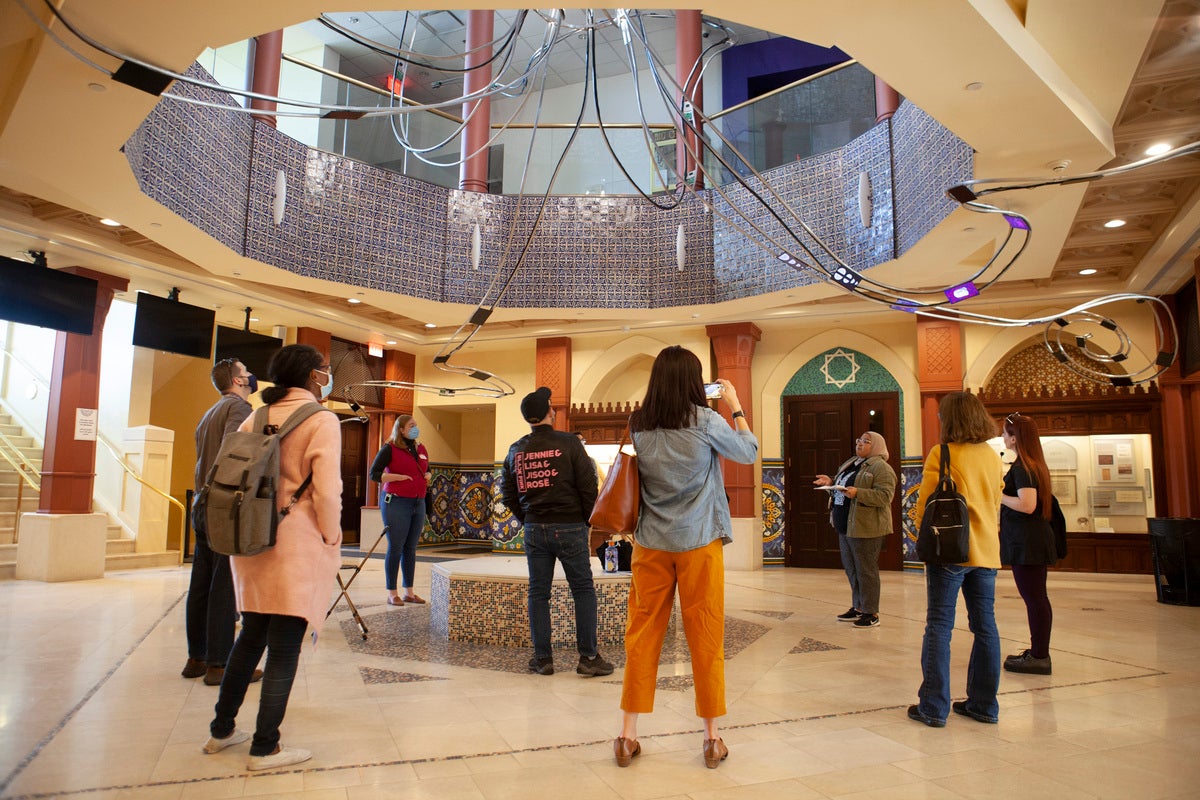
The researcher reviewed archival research, including oral history testimonials. They also interviewed and observed staff members at the museum and the Arab Community Center for Economic and Social Services, the museum’s parent organization.
The Arab American National Museum (AANM), was founded in 2005 as a national museum celebrating Arab American history and Culture. It is part of the Arab Community Center for Economic and Social Services (ACCESS), which was established in 1971 to provide social services for new immigrant communities. It is a common practice for smaller organizations to be housed in larger academic or community organizations, which allows for shared resources that can support the arts organizations’ capacity.
Through their work, researcher Asif Majid found that AANM receives significant benefits from being housed within its mission-aligned fiscal sponsor, ACCESS, such as administrative operations and supplemental financial support. The study also outlines dynamics that can arise when organizations have this type of relationship, such as having different visions for how to achieve the same mission and outcomes. It also points to ways funders and supporters might better support arts and culture organizations operating under a parent company.
This brief is based on a study by Asif Majid, Ph.D., University of Connecticut.

The founding mission of a parent and sponsored organization may branch from the same trunk rooted in advancing a cultural community; and though they remain connected, they may grow in different directions.