
Carolyn Johnson, known by all as “CJ,” founded and leads an organization called the Black Cultural Zone (BCZ) in East Oakland, California. Since I came to Wallace last year and started meeting with grantees, I had been hearing about CJ and the organization that provides much-needed employment opportunities and community development for the artists and residents who inhabit its 60 by 60 square city blocks. I had the privilege on a recent West Coast visit to spend time with the charismatic CJ and a number of others in the BCZ community.
While I learned so much from everyone, one man stood out to me. He appeared to be in his late 50s or so, and he spoke candidly of the difficult life experiences that had led to him losing his housing. He found his way to the organization’s Safety Ambassador program, which hires local residents to focus on safety, community engagement, and cultural revitalization. He said the program literally saved his life. It also gave him the chance to give back to his beloved native city.
His passion moved me as much as his own advancement out of dire circumstances, and it underscored so much of what I have been hearing during my first year as president of Wallace.
Across America, people are concerned about the future, especially for young people in their communities. I want to share a couple of data points as to why and then what we—those of us who work on behalf of children and people trying to live up to their full potential, and all of us really—can hope to do.
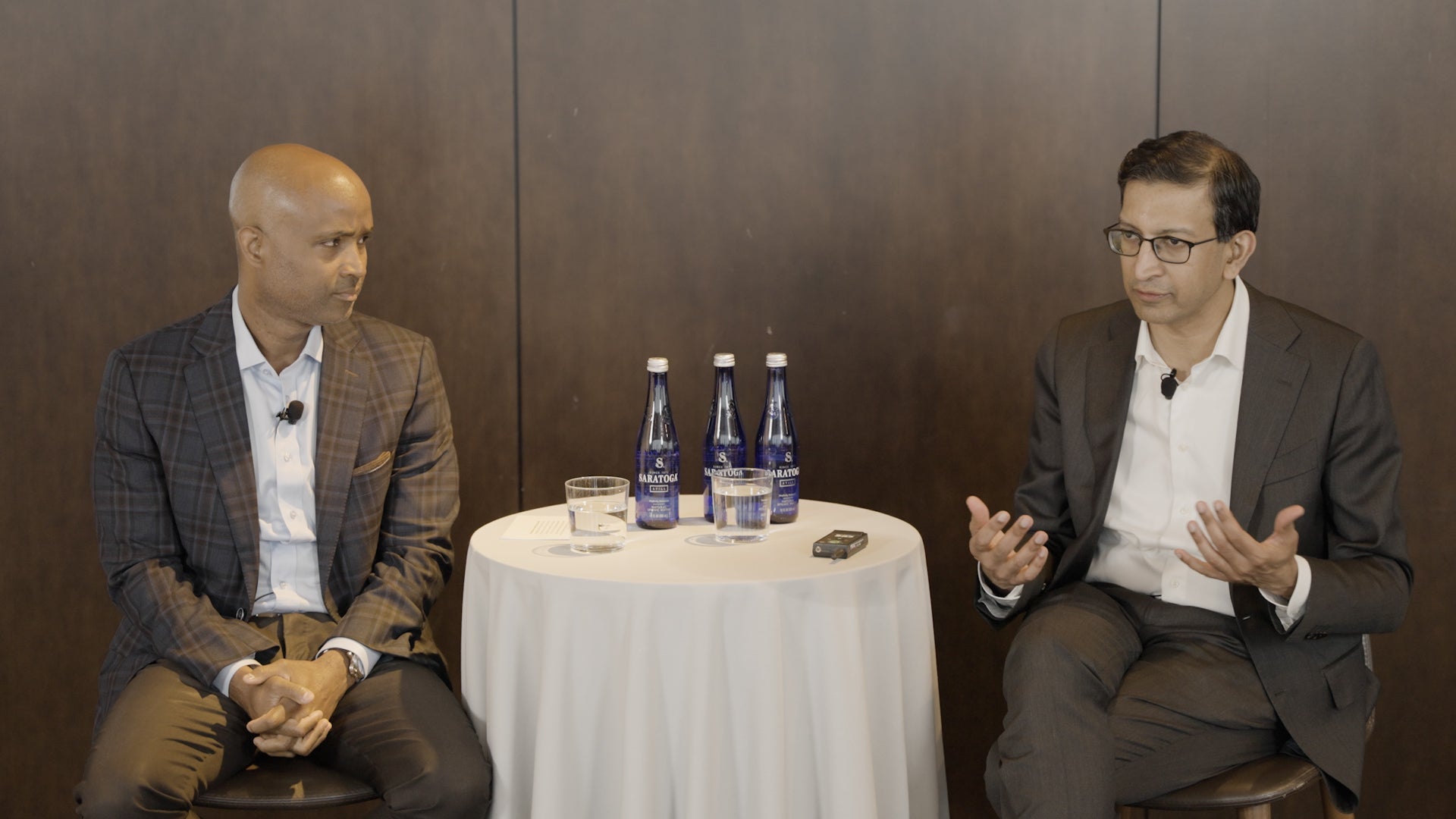
The first statistic is about economic mobility: If you were a child born in the 1940s, you had a 90% chance of doing better than your parents. Today, only half of all children grow up to earn more than their parents. Economist Raj Chetty at Harvard has been studying economic mobility for more than a decade, and with his Opportunity Insights initiative he has been tracking upward mobility by city, county, and neighborhood. Chetty joined a conversation with Wallace’s board and staff earlier this year to help us contextualize the problem on a national scale and to highlight potential solutions already under way. You can watch a clip of that conversation here.
The second data point is about the shifting American labor market, with economists predicting AI to drastically impact entry-level white-collar jobs in the coming decades. Today, already over half of recent college graduates are underemployed a year out—in jobs that don’t need their degree, according to research from the nonprofit Burning Glass Institute, which researches the future of work. To sum it up, too many young people are doing everything right and still not able to reach a level of financial security.
These circumstances point to a unique moment for us to focus on economic mobility.
For years, The Wallace Foundation has been addressing issues of access and opportunity. Much of our work across the arts, education leadership, and youth development has been in service of young people and those who might guide them to live up to their full potential and thrive. It’s helped communities ask questions about what it means to take care of one another and live a good life. It’s provided research to raise important ideas for decision makers in policy and practice.
We will build on this work and what we’ve learned as our focus sharpens. The foundation will still be working across the arts, education, and youth development, and to increase access and opportunity. But now, we will view our work through the lens of economic mobility, Wallace’s new North Star.
In some cases, this will mean expanding our focus. Over two decades of working in education leadership we have learned that effective leaders can change the trajectory of an entire school or district. We will tap into this experience as we broaden our scope to investigate education pathways connected to the skilled trades and entrepreneurship. This always makes me think of my three childhood friends growing up in Brooklyn, New York, whom I tried to convince to go to college with me after I got my scholarship, but all three ended up becoming master electricians. Today, they have highly successful and lucrative careers, collectively employing over 50 people in their communities, providing for their families, and laying a foundation for generational wealth.
That's what mobility can look like across one generation, and it's really helped me see why the skilled trades deserve the same attention we've long paid to four-year college degrees.
Meanwhile, entrepreneurship, skill development, and social capital have been part of our arts and youth development work. We continue to learn how the arts can be a catalyst for wholesale community development, as I’ve seen in cities like East Oakland and Chicago through the work in Wallace’s Advancing Well-Being in the Arts Initiative. In youth development, we are one year into our Advancing Opportunities for Adolescents initiative, which is supporting and learning how cross-sector partnerships and systems can expand career and other opportunities and relationships for middle and high school youth in urban, suburban, and rural areas. This ties to some of Chetty’s "economic connectedness" research, which shows that cross-class friendships are one of the strongest predictors of economic mobility, sometimes even stronger than school quality or income alone.
I am excited, too, that our sharpened focus on economic mobility has allowed us for the first time to create a foundation-wide goal. Moreover, this goal maps to work others have already initiated to assess and measure whether we are helping young people create a sustainable future for themselves: A strong career launch by age 25.
Briefly, a strong career launch means that young people by age 25 are on a path to earning at or above the MIT living wage in one’s region, in a way that builds skills and advances one’s career, whether they have attended a four-year college or not. We will have much more to say about this goal and our more specific inroads toward economic mobility in the coming months. For now, you can find further details in this FAQ we’ve prepared.
I also want to share one more thing that’s stayed with me from the man I met in East Oakland. In addition to recounting how his new job with BCZ gave him an income and allowed him to find housing, he told me it also restored his sense of purpose and gave meaning to his day-to-day life. This highlighted for me how, beyond providing for material needs, meaningful work can fulfill invaluable human needs around purpose and identity. It can bring you closer to others and create community wealth and health.
Or as CJ herself has said, “everything we do is about building a strong economy and that starts first with the people.”
To my mind, that’s the right order. As always, we start with the people, and the goal—a strong career launch by 25—is one way we’ll hold ourselves accountable to them, guided by our North Star of advancing economic mobility for generations to come.
Top image from left: Jean S. Desravines and Raj Chetty, Ph.D.
WHO IS THE WALLACE FOUNDATION?
We are an independent research foundation helping communities build a more vibrant and just future. We work in the arts, education, and youth development sectors. With our partners and grantees, we seek to solve problems and improve people's lives. The evidence-based research we share supports policymakers and practitioners working to enhance community vitality and help all people reach their full potential. Learn more about our focus areas.