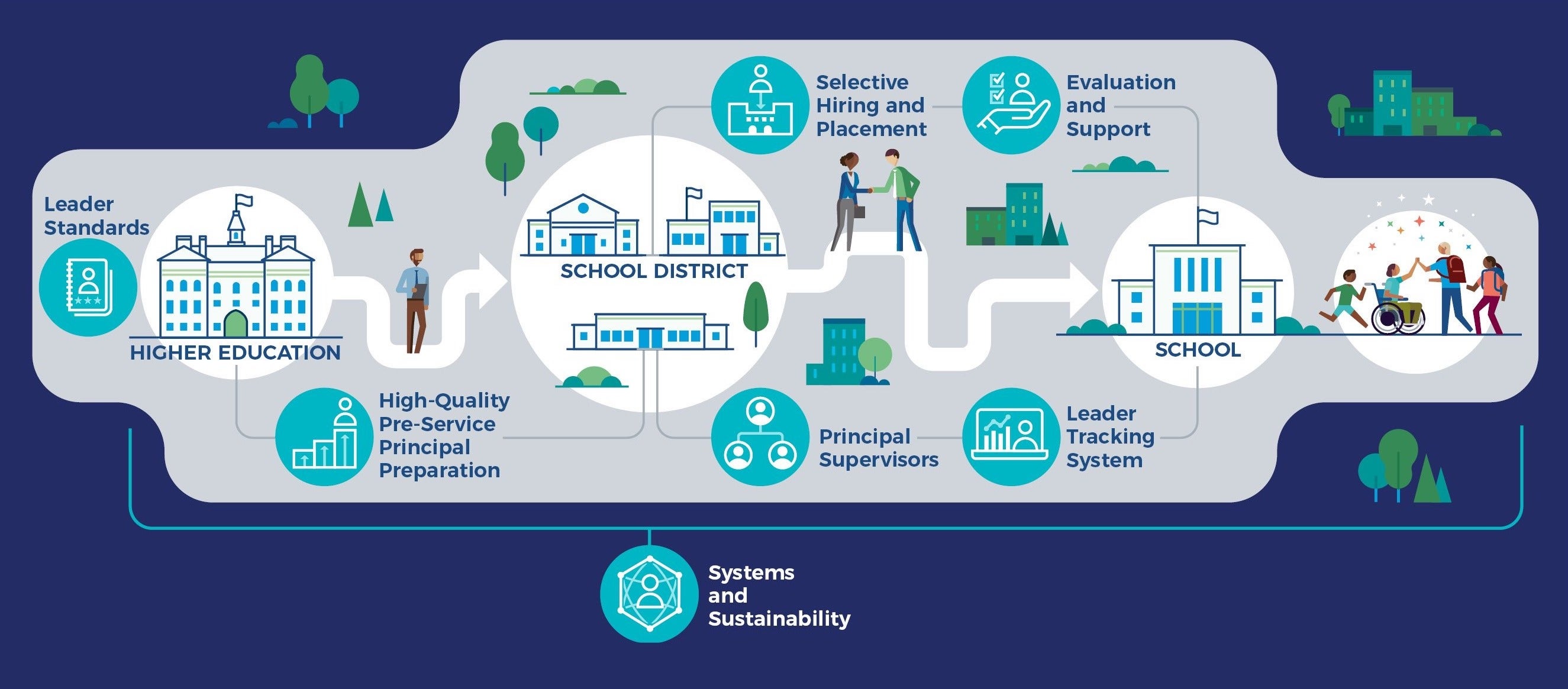
Baltimore City Principal Leadership Framework
Promising Practices for the Design and Implementation of Equity-Centered Leader Pathways
This report shares lessons and challenges from eight large urban districts that set out to build systems that successfully prepare and support equity-centered school principals.
January 2026

Table of Contents
Document
- Author(s)
- Danielle Molle, Richard Halverson, Deja Mason, John B. Diamond, Louis Gomez, and Wehmah Jones
- Publisher(s)
- University of Wisconsin-Madison
Page Count
28 pages
Summary
How we did this
Researchers documented the early goals, actions, and decisions of eight school districts participating in The Wallace Foundation’s six-year Equity Centered Pipeline Initiative (ECPI). Documentation included interviews, focus groups, observations, and document review, with an eye toward identifying key challenges and promising practices.
Building a more robust pipeline of school principals who are prepared to lead effectively and advance educational equity can be a powerful lever for change in school districts. Research shows that strong school leaders can have a positive impact on student achievement and attendance. They foster better teaching as well as a positive and supportive school climate.
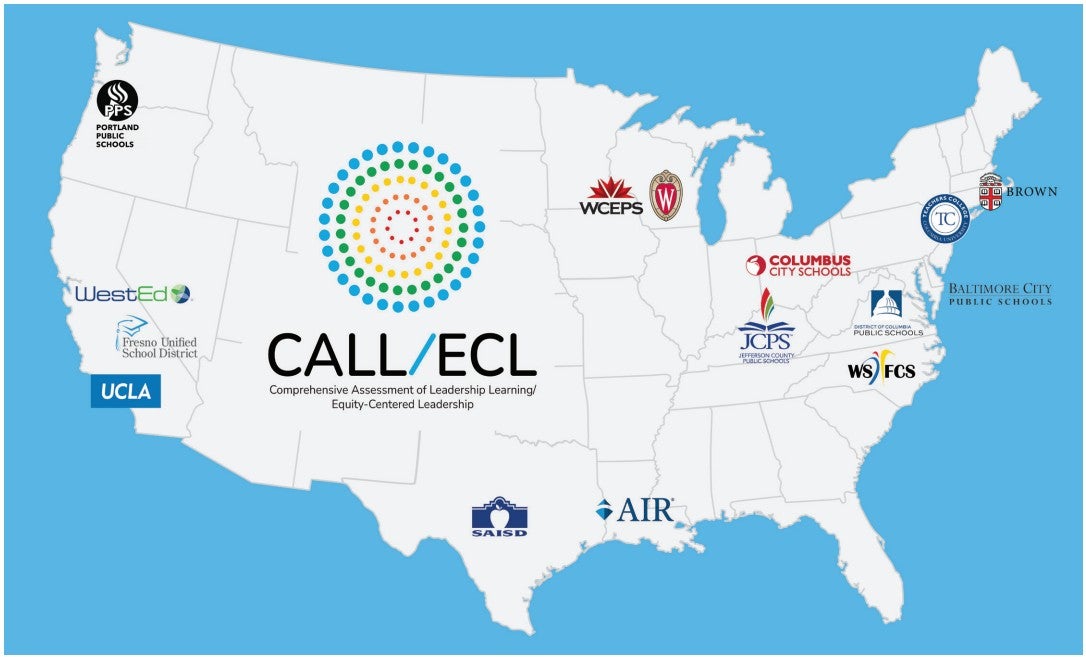
Starting in 2021, The Wallace Foundation has supported eight large urban school districts in a six-year initiative to help develop equity-centered principals who are leading for all students. The vision is for public schools located in areas where many students come from families with incomes below the poverty line to have an effective principal. This report identifies major themes and promising practices emerging from the first few years of that effort so far in Baltimore, Columbus (Ohio), the District of Columbia, Fresno, Jefferson County (Kentucky), Portland (Oregon), San Antonio, and Winston-Salem/Forsyth County.
The major themes are:
- Districts addressed challenges in the work as “opportunities for design.” That is, careful reflection by district leaders led to new structures and routines intended to strengthen district capacity to advance equity-centered leadership in school systems.
- Creating coherence across systems was both a persistent challenge and a key accomplishment. Many promising practices took hold not only because they were innovative, but because they also sought to connect previously separate systems to a shared vision for equity-centered leadership across departments, roles, and external partnerships.
- Districts prioritized the development of relationships and human capital through affinity groups, district-led academies, and leadership shadowing routines. The goal was ultimately to create favorable conditions for distributed leadership in schools and local ownership of equity efforts.
The new research findings build upon earlier, Wallace-supported work demonstrating that well-designed principal pipelines offer an affordable and effective way for large urban districts to improve schools. Each participating district in the ECPI developed its own definition of equity and equity-centered leadership, and engaged in practices designed to remove barriers and create the conditions for student success, such as:
- Providing access to rigorous, culturally relevant instruction
- Creating inclusive environments for students and families
- Actively challenging assumptions and practices that reproduce inequality
The specific strategies embraced by participating districts to place school leaders at the center of this work vary widely, according to the new report. For example, Baltimore City Public Schools developed a one-year, home-grown principal residency program tailored to the unique context and needs of the city’s schools. The program includes job-embedded leadership development, monthly professional learning seminars, and on-demand coaching.
Columbus City Schools adopted a new definition of equity and drew on that to inform a new Portrait of an Equity-Centered Leader. Key elements of the portrait are embedded in principal preparation and ongoing professional learning provided with support from The Ohio State University. Meanwhile, the Fresno Unified district developed leadership affinity groups to more effectively recruit, support, and retain principals and assistant principals of color. The affinity groups provide professional learning, mentoring, and other support.
For other school districts eyeing similar efforts or already engaged in them, the report provides practical strategies to anticipate and navigate the challenges that will inevitably arise. Indeed, sustaining equity-centered leadership requires systems that not only support school leaders but shift the culture of learning and relationship-building in schools and districts.
The researchers also stressed that district leaders should help ensure that their efforts bring about meaningful and lasting change by strengthening communication and everyday interactions between educators, students, and families.

Progress toward systemic approaches to the preparation and support of equity-centered leaders is not only possible—it is already under way. The districts featured show what it looks like to move from abstract commitments to tangible systems.
Key Takeaways
- Eight urban school districts are making headway in pioneering efforts to prepare and support equity-centered school leaders. Their vision is to develop school leaders who can ensure all students have access to the opportunities and resources they need to realize their full potential.
- Sustaining equity-centered school leadership requires systems that both support principals and shift the culture of learning and relationship-building in schools and districts. It changes in meaningful ways, for example, the everyday interactions between educators, students, and families, both articulating and supporting school-level connections.
- Coherence is essential. Promising practices in cultivating equity-minded leaders take hold when the vision is shared and embraced across departments, roles, and external partnerships.
- Six promising practices emerged from the multiyear work of districts:
- Developing internal principal residency programs
- Expanding district-university collaboration beyond leadership preparation
- Engaging the community in principal selection
- Establishing and sustaining affinity groups for aspiring school leaders
- Focusing principal supervisors on equity
- Building sustainability by revising district policies to prioritize equity-centered leadership and support
Visualizations
Materials and Downloads
Topics:
Now Viewing:
Overview
Next: Research Approach